


reviews 2026
Royal Arena got packed on a Tuesday evening to see one of the original Swedish pop divas. The anticipation was reaching extreme levels, so people couldn’t even stay still anymore while waiting for Robyn to enter the stage. When the lights finally went out, the whole arena roared with excitement.
The set list started with Blow My Mind while Robyn and her band performed behind a white curtain, until she finally crawled to the stage. The stage was pretty minimalistic, mainly using light curtains and a turning stage, which gave the performance a cool artistic vibe. It felt quite refreshing and perfectly suitable for Robyn’s image. This also made the sparks and glitter at the end of the show have more impact.
From the moment the second song started, everyone in the crowd jumped from their seats, and we didn’t sit down for the next two hours. Robyn has been active since 1989, so her repertoire is surely magnificent. This opened up a perfect possibility for her to create an exciting setlist mixing up all of her styles, which is exactly what she did. I truly enjoyed how we jumped from one album to another, changing the style of performance slightly to highlight the differences between the albums.
The crowd was very mixed in different ages, which made the energy feel even sweeter. Wherever I looked, I could only see pure joy, people dancing and crying through smiles, just like me.
A lot of Robyn’s music revolves around heartbreak and loneliness while sounding like party anthems, which is why so many people feel so connected to her music. I am very happy to see this feeling of connection transcended to the concert, while dancing just as excitedly as a middle-aged man in front of me.
During the two-ish hours, there wasn’t really any space for Robyn to have chats with us. Then again, she had a whole journey to take us on, so I didn’t really mind this at all.
Most of the songs were high-energy, but she had decided to perform Be Mine! as an acoustic song. This showed very well how even this pop dance anthem actually has real Tumblr emo lyrics. Obviously, the acoustic version was hauntingly beautiful, even though Robyn lost the lyrics for a moment. Even this was met with cheering and the crowd singing the lyrics back to her, which tells a lot about the vibe during this concert.
To be honest, even if losing the lyrics had been a worse moment, it would have been forgotten soon enough. After the first encore song, Robyn announced that she had a Swedish surprise for us, which was the undersell of the decade.
Seconds later, another Swedish mega star, Zara Larsson, ran to the stage, and these pop queens performed two songs together. They seemed to have such a fun time on that stage together, and it felt like a little teaser of what fun Larsson’s Girls’ Trip tour will be like.
This gig was full of fantastic moments, but one is above all others. To prep her megahit, Robyn first sang Call Your Girlfriend, which made sure that everyone was ready to sing their hearts out. After this, she finally performed Dancing On My Own, the true sad pop anthem of the 2010s. Even though the whole concert had felt electric, the first tune of this song made the venue explode, and we started singing with Robyn.
In the first chorus, she quieted down and just enjoyed it when everyone sang her song back to her, before joining in the fun again. The song ended in thunderous applause and screams of joy, which doesn’t explain well enough how happy I felt in this moment.
As a goodbye, Robyn performed Show Me Love. It was a nice wrap to a show that included minimal talking and just enjoying great music. I have wanted to see Robyn since I was 15 years old, and I can tell that the 15-year wait was fully worth it. Robyn is an absolute pop queen who made me bawl my eyes out due to pure bliss.
robyn - royal arena, copenhagen - 14.07.2026
Photos: Laura Ioana v
Words: hanna koivunen


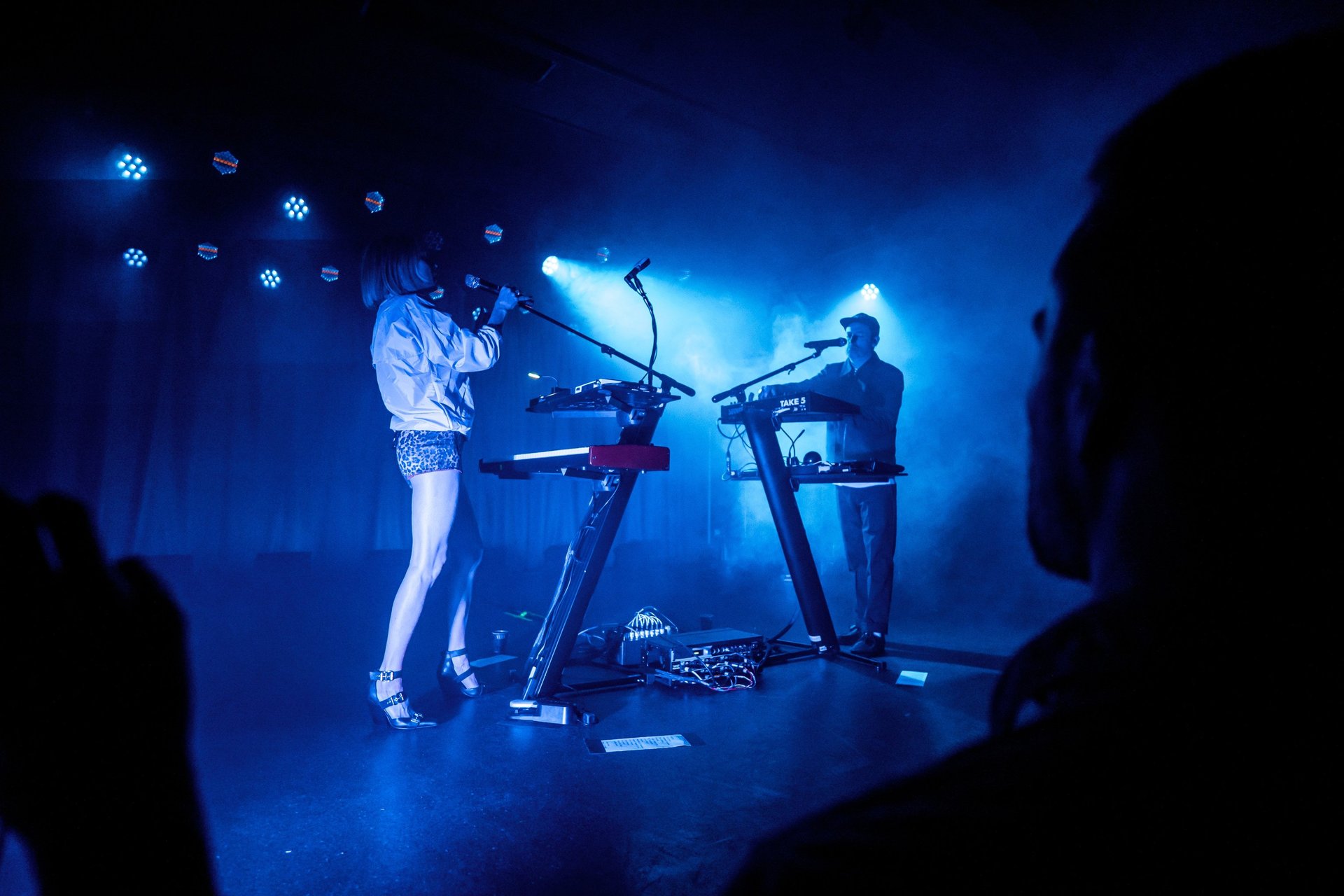
Phantogram as a phantom on the stage that was covered in smoke, while heavy synths hit the venue, youngsters in the front scream and the duo that has made it to mainstream culture served electronic-pop music to us on Sunday evening.
I was introduced to Phantogram by my uni classmate around 2013-2014 by the song When I’m Small, it felt like a song that resonated with me those years due to how someone made me feel. I believe many people in the audience would agree. The catchy adlib that stays in the head and conveys some sort of frustration. Phantogram left this song for their finale, and I understand why.
This New York duo, established in 2007, has released 6 albums and their music was featured in several TV shows. I read in several places that their music is ‘genre-bending indie rock’, to which I must disagree based on what I have experienced and how I perceive or interpret indie rock. This show was very heavy-synth-based and I barely heard any guitars, but perhaps in this post-genre era, the definition of what indie rock is disappears.
What I really liked about the performance is that what we hear on their recordings was much more emphasized live and all the songs sounded heavier, sometimes leaving me feeling like I am at a Sunday rave or dance party. This connection occasionally had issues hearing the vocals, because the synths were super loud and pumped-up. However, louder than the synths were the fans around me that were screaming in much louder decibels....
What looked like a long setlist that I saw on the stage floor, which sometimes scares me, the gig ended up passing really fast and I take that as a good sign. Apart from the finale When I’m Small, other favourites were heard, such as Don’t Move, Black Out Days, You Don’t Get Me High Anymore, Fall In Love.
I liked the sampling, and Sarah Barthel was very energetic on the stage. I also appreciate that even though Sarah sings most of the songs, her sparring partner on the stage, Josh, also performed and actually had a really nice voice in several parts of ‘his’ songs. His performance was a present not only for us but also for him as it was his birthday. Despite them being only two on the stage, there was no feeling of missing more members on the stage but that is also the magic of synth-based music and sampling.
Oscillating between an electro party and a session for those in the haze of feelings, Phantogram delivered a great show for many, a decent show for me, however, with many great moments.
phantogram - lille vega, copenhagen - 31.05.2026
Photos: Laura Ioana v
Words: Karolina curova
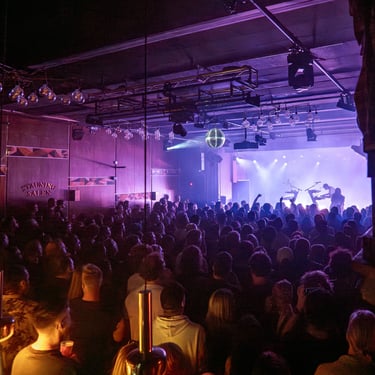
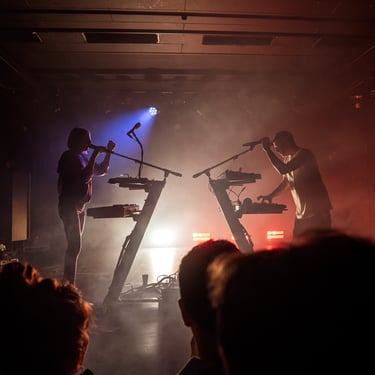
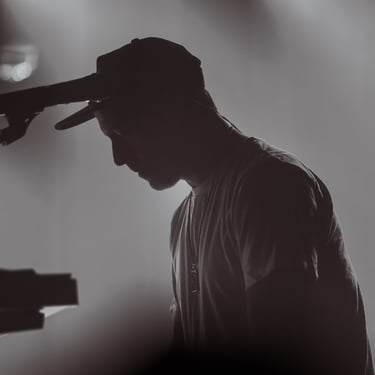
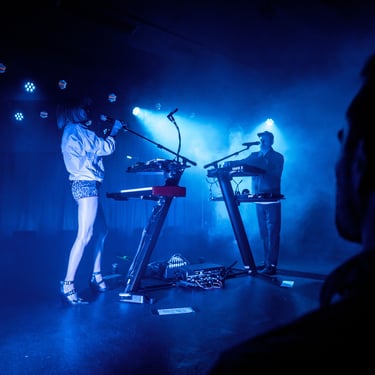
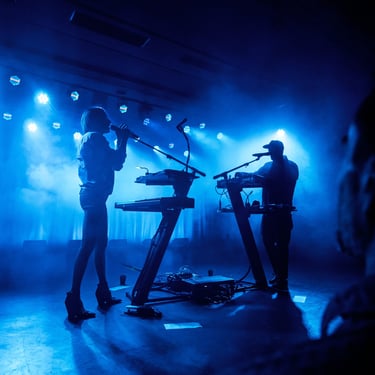
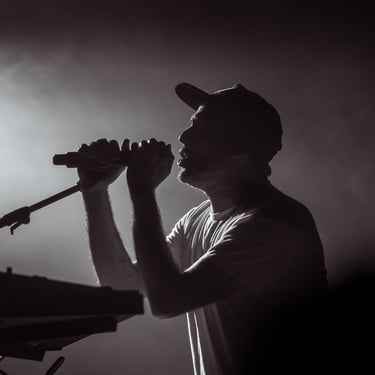
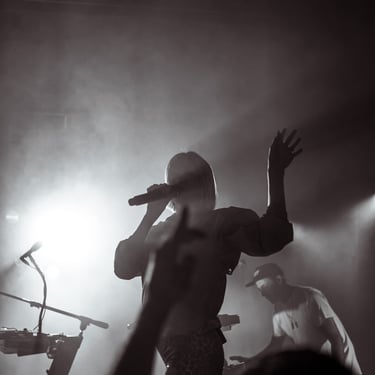
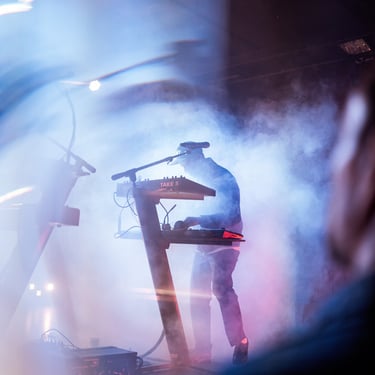
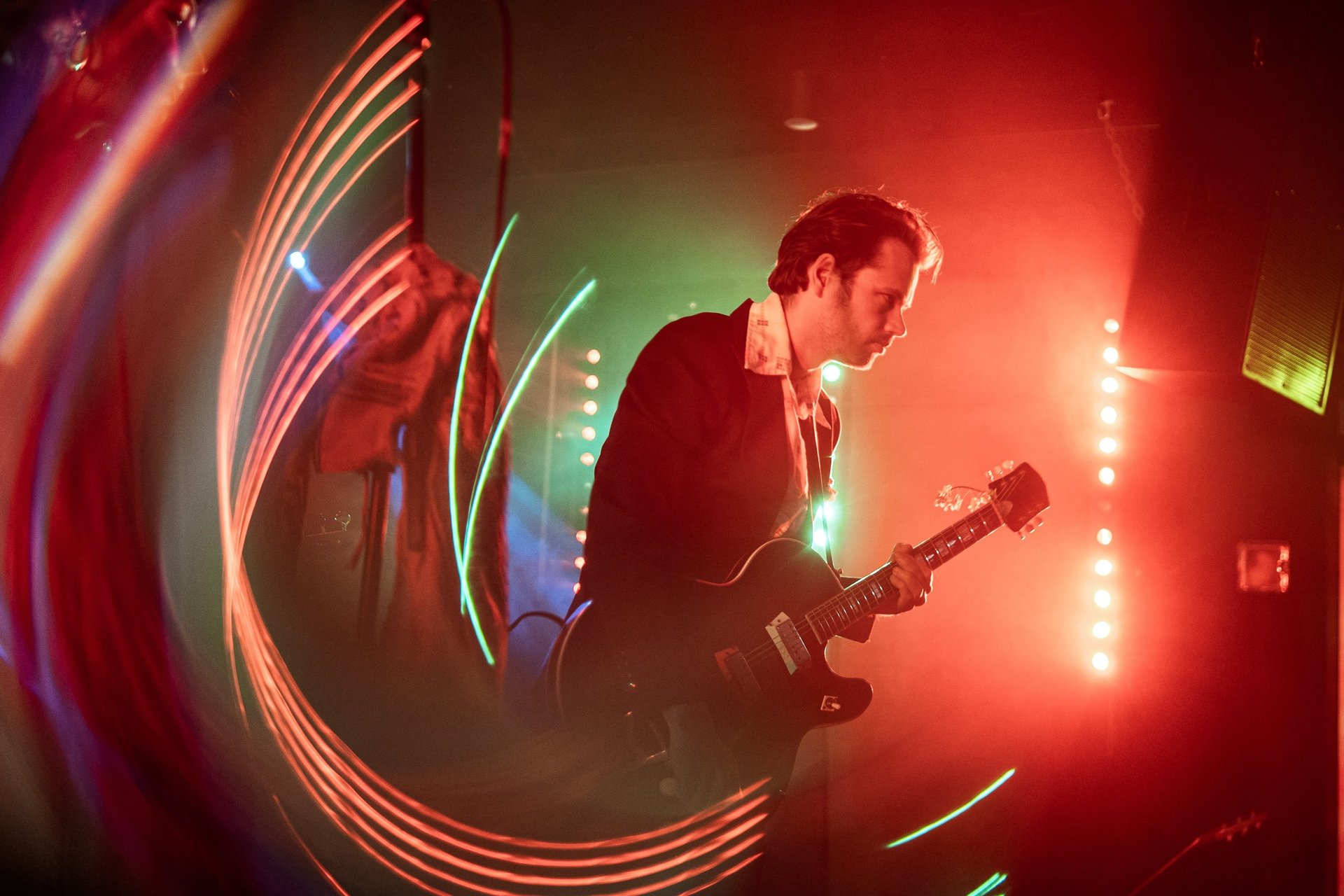
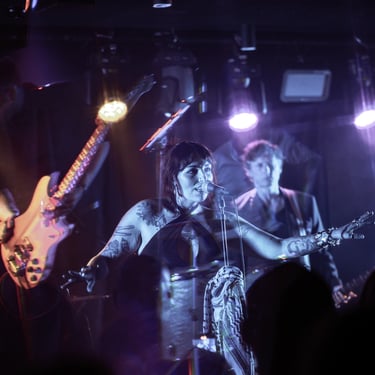
Fancy Lee gave us a bluesy, witchy, and sultry evening in Beta. This self-proclaimed swampy rock’n roll band has only existed since 2023, but they play like they have been doing this together for decades (or maybe even centuries).
Fancy Lee’s singer, Nina, used to live in New Orleans, and this comes through in the songs. Every song was a little story, inspired by New Orleans’ lore like Papa Legba, people Nina has met, and the ache for freedom. Some songs were more like spoken word, really highlighting the story aspect.
Even though the songs’ style was classic, the lyrics made them feel very fresh. The subjects were powerful, making me emotional multiple times. I truly enjoyed the contrast the style and lyrics created. Without the lyrics, the songs could have been on a soundtrack for a movie or series set in the early 1900s (think Interview with the Vampire). But then the lyrics would be about feminism, Aileen Wuornos, and paying enough for sex workers. Surely not topics sung about 100 years ago.
Overall, Fancy Lee is a fantastic band. Everyone on that stage was doing a fantastic job, but I must admit … I couldn’t get my eyes off Nina. She is such an incredibly magnetic person that for the whole 1,5 hours, my eyes kept following her. Even when she was in the back of the stage, giving space for her band members to “do their thing”,
I was only seeing her. I forced myself to see if I was the only one finding her so magical, but clearly this wasn’t the case. Everyone in the room seemed to be under her spell for the whole time.
The gig was very intimate. This was obviously helped by Beta’s small venue, but the main reason was the performing style and the little stories Nina told us between the songs. This gave an insight into her personal experiences and values, and after the evening, I felt like I actually knew her.
Fancy Lee served us with pretty much everything I love. Fantastic music, intersectional feminism, magnetic performance by a woman, and a very intimate vibe. I am delighted to now know this band, because you can be sure I am already blasting them from my speakers. Next time Fancy Lee performs near me, I will absolutely be in the crowd again (so see you in Lygtens Kro later this summer)!
Fancy lee - beta, copenhagen - 16.05.2026
Photos: Laura Ioana v
Words: Hanna Koivunen
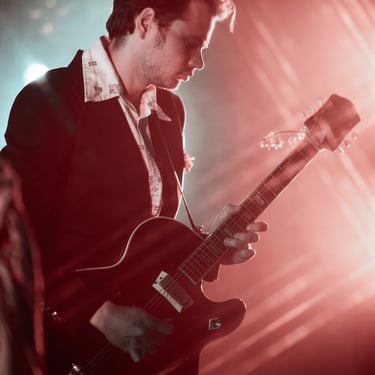
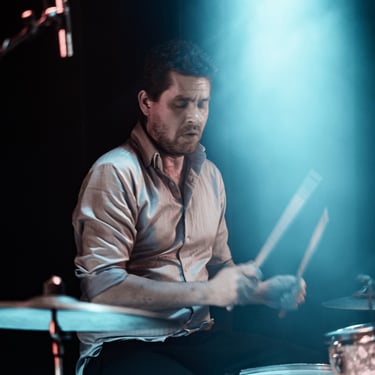

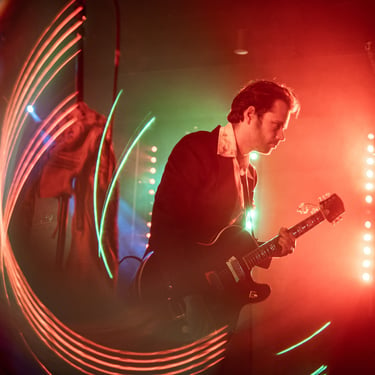

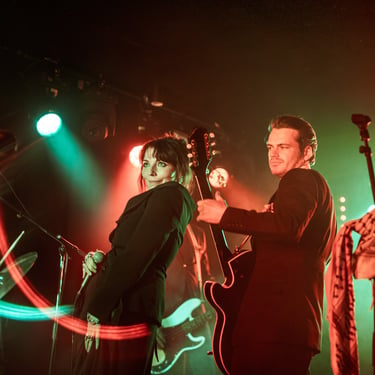
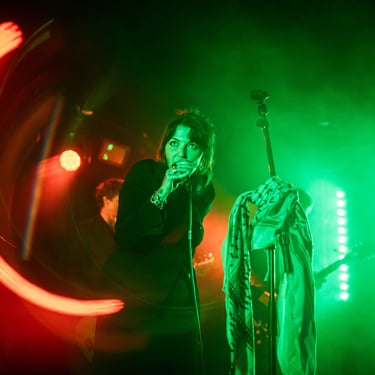
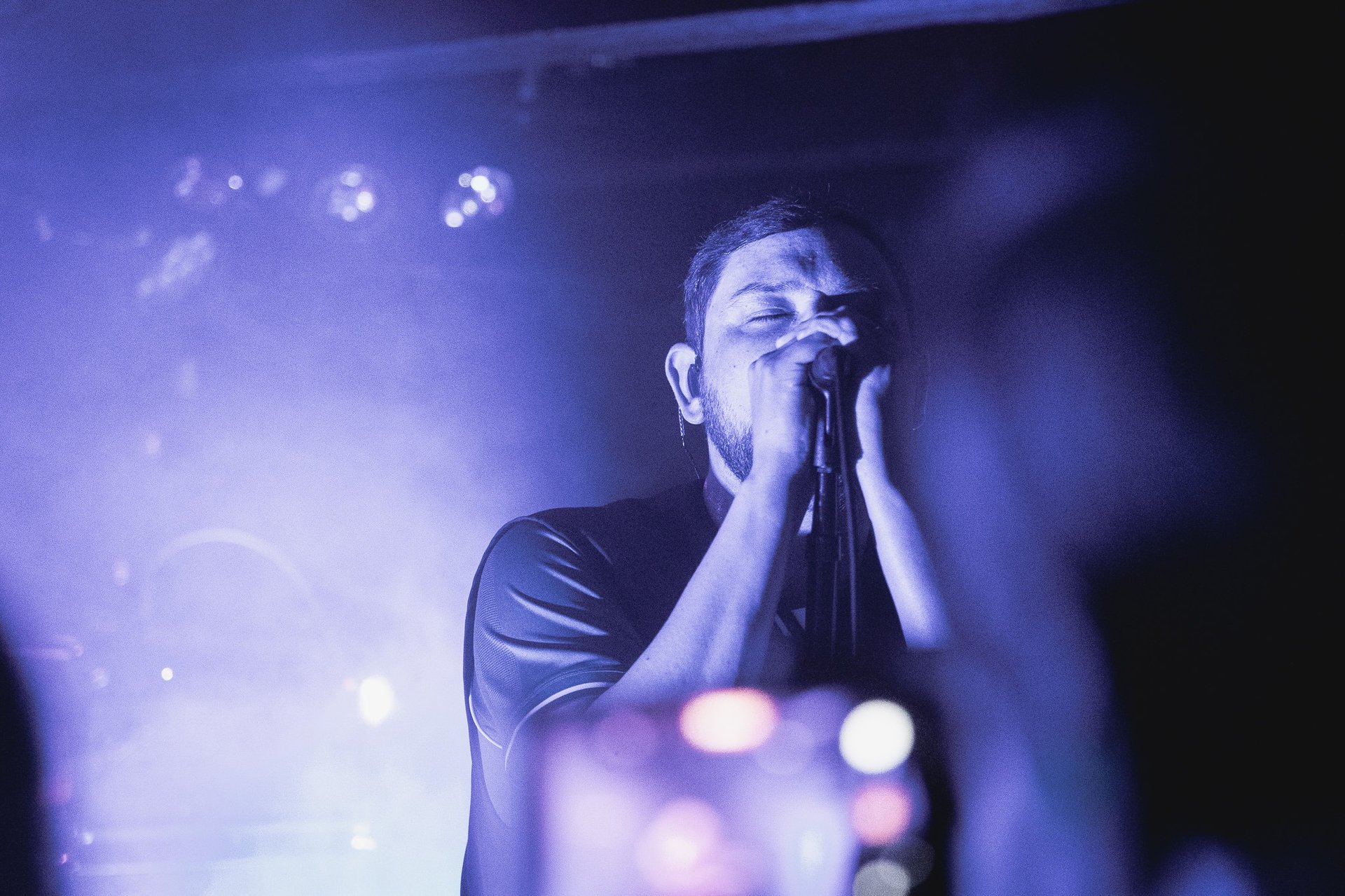
As the twilight was setting over Copenhagen and the rain was covering the urban landscape of the city, The Twilight Sad felt like an appropriate soundtrack for the night. Sold out Loppen was proof that others felt it too.
I found The Twilight Sad thanks to one movie that featured their song Mapped By What Surrounded Them from the album Fourteen Autumns & fifteen Winters. When I first heard the album Fourteen Autumns & Fifteen Winters, I knew that TTS will be in my life for a while, if not forever.
This album meant a lot for me at the time of release and still does now, 19 years after.. and the song Mapped By What Surrounded Them became part of the soundtrack of my life. Somehow, I have never believed that I will see them live, so when I saw the gig in Copenhagen coming up, I instantly felt like - I ended up being there.
The Scottish band that became a duo now, came on as a 4 piece formation, adding Cat Myers on drummer (formerly Migwia and Honeyblood) and Primal Scream's Simon Butler on the bass - how cool! The latest recording titled "It's the Long Goodbye" has been true to the band's sound of the past 20 years. It is not surprising, and not disappointing… although maybe I was a bit surprised with occasional use of electronic beats here and there. It is still emotional and touching.. and I believe this is also big thanks to the vocals of James Graham.
During their gig Graham's vocal was still touching, almost penetrating the emotional section of my brain where I almost couldn't handle the sadness of the music and lyrics - and I mean this as a compliment. His voice was super clean so that one can understand the lyrics. I think this is definitely one of their advantages, that he does not need to see any effect on his vocals live, as it is because of this pure, raw and exceptionally in tune.
I also want to emphasize that a not surprising record is not meant in a negative way, I believe sometimes it is such a positive thing to deliver a stable and decent album, rather than experimenting. On the other hand, I can see so much depth in the album and I always appreciate bands opening up themes of mental health and bereavement.
The band delivered a solid sound of all the elements being super well thought out, balanced and I enjoyed hearing all the instruments well. For me the other highlight of the band after the vocals were drums. Cat Myers definitely highlighted the drums and its magic and how that contributes to the atmosphere of the music of TTS. Sharper-feeling, more visceral and commanding on stage, less restrained, keeping the tension and release happening in real time.
The gig setlist included a mix of different albums. First and foremost It’s The Long Goodbye, then It Won’t Be Like This All the Time, Fourteen Autumns & Fifteen Winters and also Nobody Wants To Be Here and Nobody Wants to Leave. So no matter, during which album you hopped on the train of The Twilight Sad, you could find the one that departed in your journey.
Last but not least, I also really really really appreciate their long song titles. I always found it great that they went against the one - or two word titles of the song, just because it is better for the radios or wherever reason… I think I will keep this as inspiration for my own work.
The music of The Twilight Sad is not always easy to listen to, especially if you really let music get through your own traumas, burns and burdens of the past. It can open the wounds or at least remind you of how those wounds felt. One can choose to let it happen.. choose between being a vulnerable human or guarded android.
the twilight sad - loppen, copenhagen - 18.04.2026
Photos: thomas vraaby
Words: Karolina curova
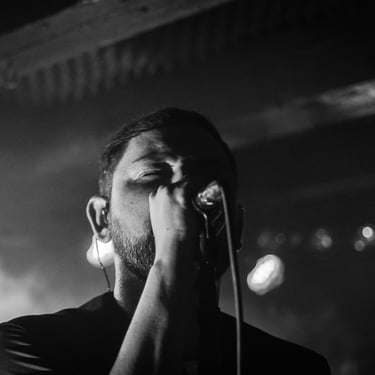
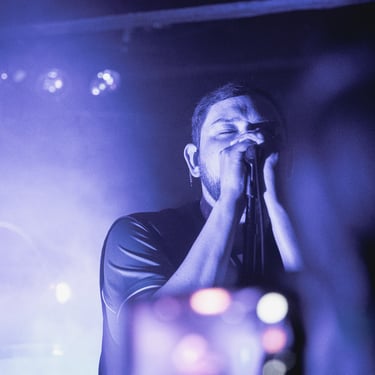
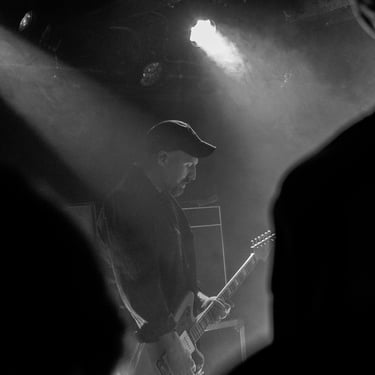
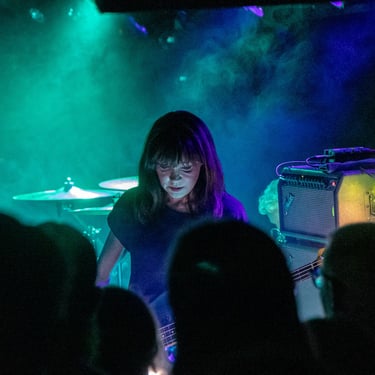
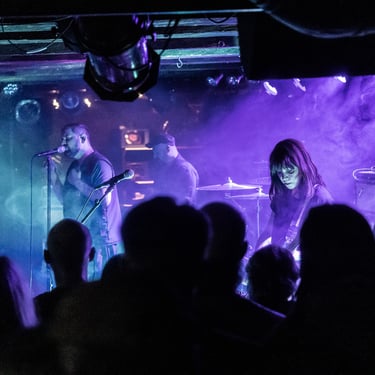
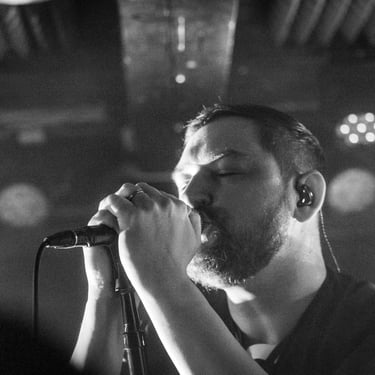
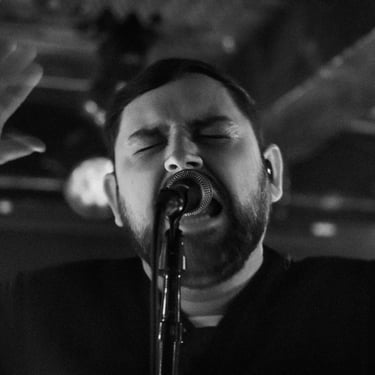
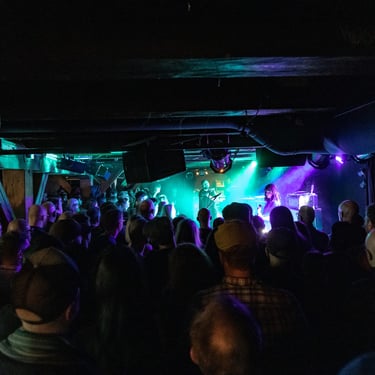
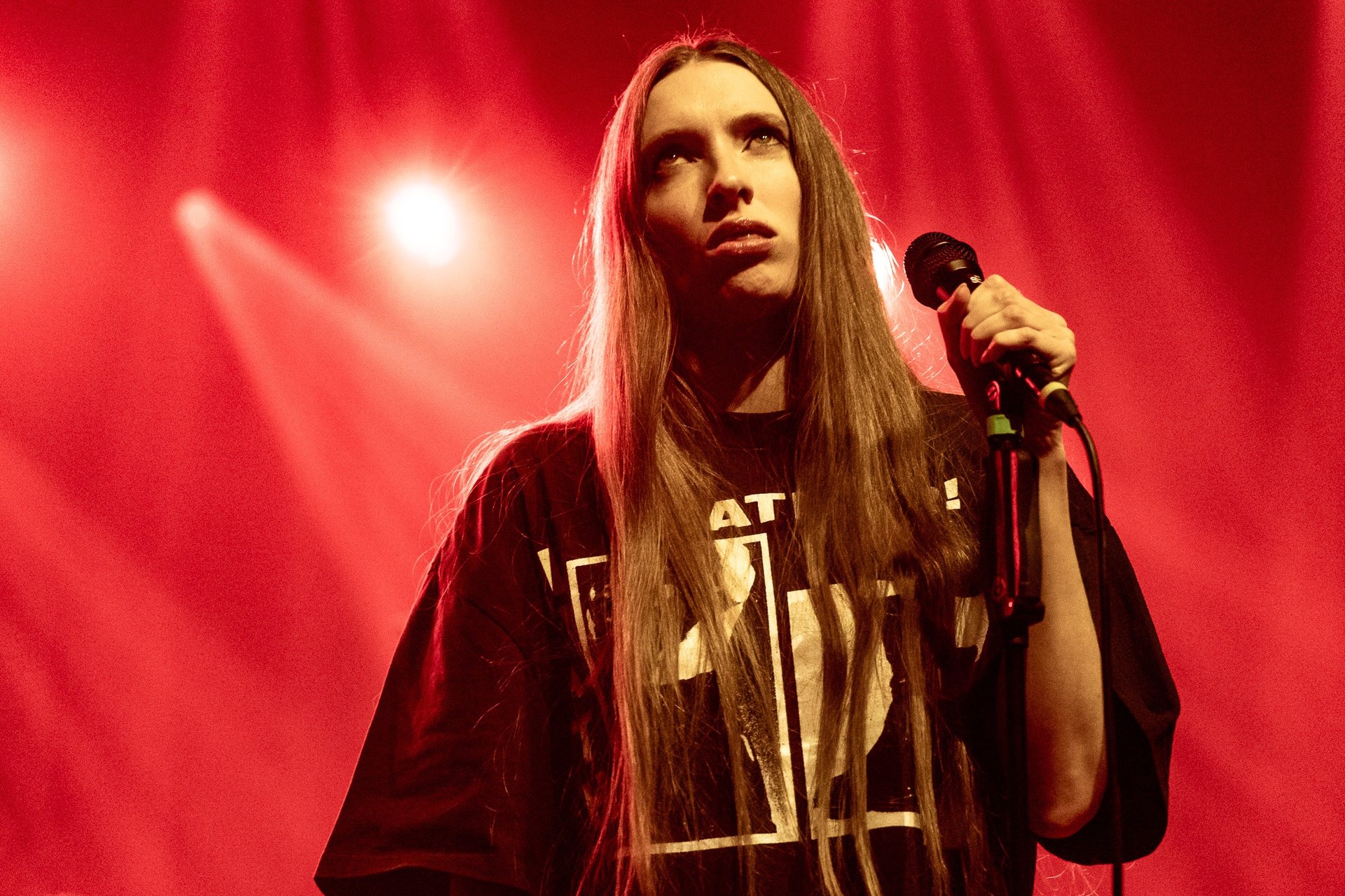
April evening that felt colder than it should. With the tame light embracing us, and smaller community around us, is when Dry Cleaning showcased their new album Secret Love.
At Store Vega, Dry Cleaning delivered a performance that felt less like a concert and more like stepping inside a living, breathing stream of consciousness. Touring their latest album Secret Love, the South London quartet balanced their signature wiry post-punk with a newfound expansiveness—subtle electronics, stretched-out grooves, and moments of unexpected brightness cutting through the gloom.
Frontwoman Florence Shaw remains the band’s gravitational force. Neither fully singer nor speaker, she drifted across the stage with a detached, almost blasé presence, delivering fragmented observations and surreal vignettes as if pulled from a private notebook. Live, her words feel less cryptic than intimate—less puzzle, more quiet confrontation.
And yet, this in-between space also revealed the show’s only slight shortcoming: as compelling as her spoken delivery is, there were moments where one longed for more fully formed vocal passages, a chance to hear her step further into melody and let her voice expand beyond the constraints of sprechgesang. There’s humour, yes, but also an undercurrent of anxiety that mirrors the album’s inward-looking unease.
Opening with the groove-heavy pulse of “Strong Feelings,” the band quickly locked into their hypnotic rhythm. Guitarist Tom Dowse’s jagged, effects-laden riffs spiraled around Lewis Maynard’s muscular basslines, while Nick Buxton’s precise drumming kept everything grounded. Tracks like “Cruise Ship Designer” and “Evil Evil Idiot” revealed the band’s evolution: still angular and repetitive, but now more melodic, even playful at times.
The highlight came with “Hit My Head All Day,” a slow-burning, six-minute descent into modern malaise. Its disjointed funk and creeping tension eventually gave way to a glowing synth line—a rare, almost euphoric release that felt magnified in the live setting. It’s in these moments that Dry Cleaning’s collaboration with Cate Le Bon becomes most apparent: a careful balance between cold detachment and emotional flicker.
By the time they closed with “Conversations,” before returning for an encore of “Hit My Head All Day,” the set had traced a subtle arc from detachment to something almost vulnerable. Not catharsis, exactly—but a shared recognition of the strange, fragmented world Dry Cleaning so precisely captures.
If this is how Dry Cleaning sounds, I wonder how Wet Cleaning would….
dry cleaning - store vega, copenhagen - 09.04.2026
Photos: thomas vraaby
Words: Karolina curova
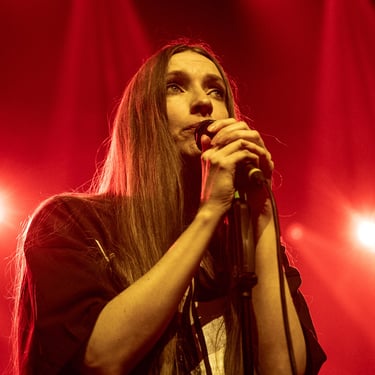
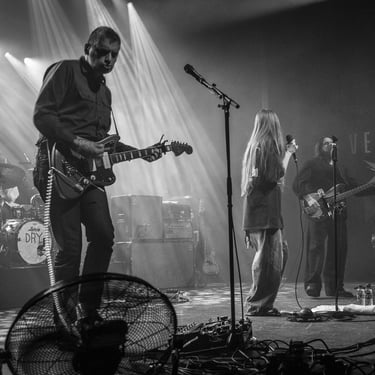
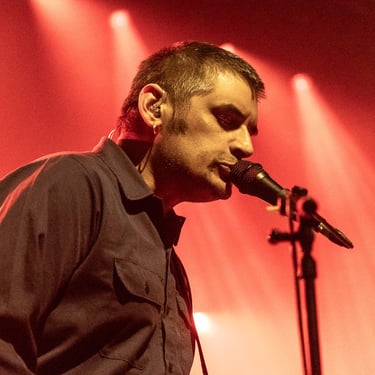
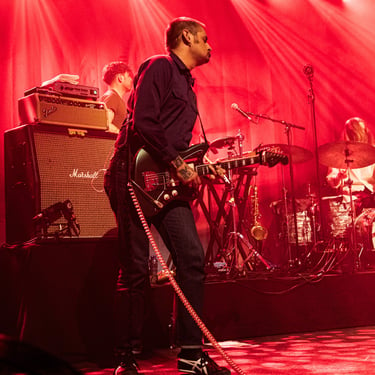
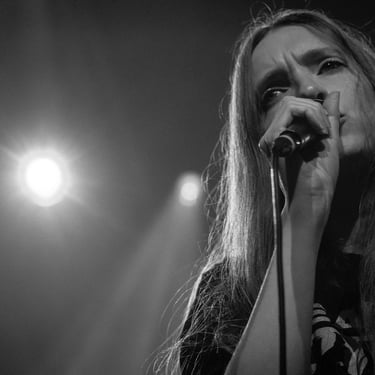
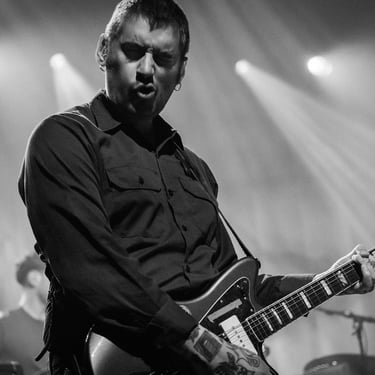
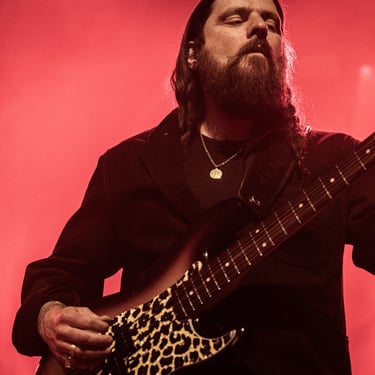
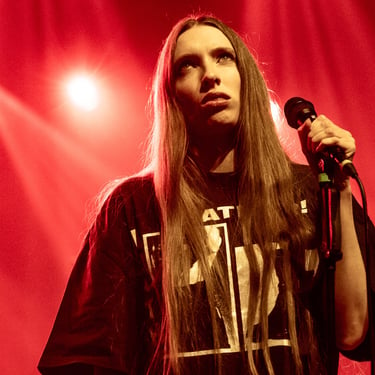
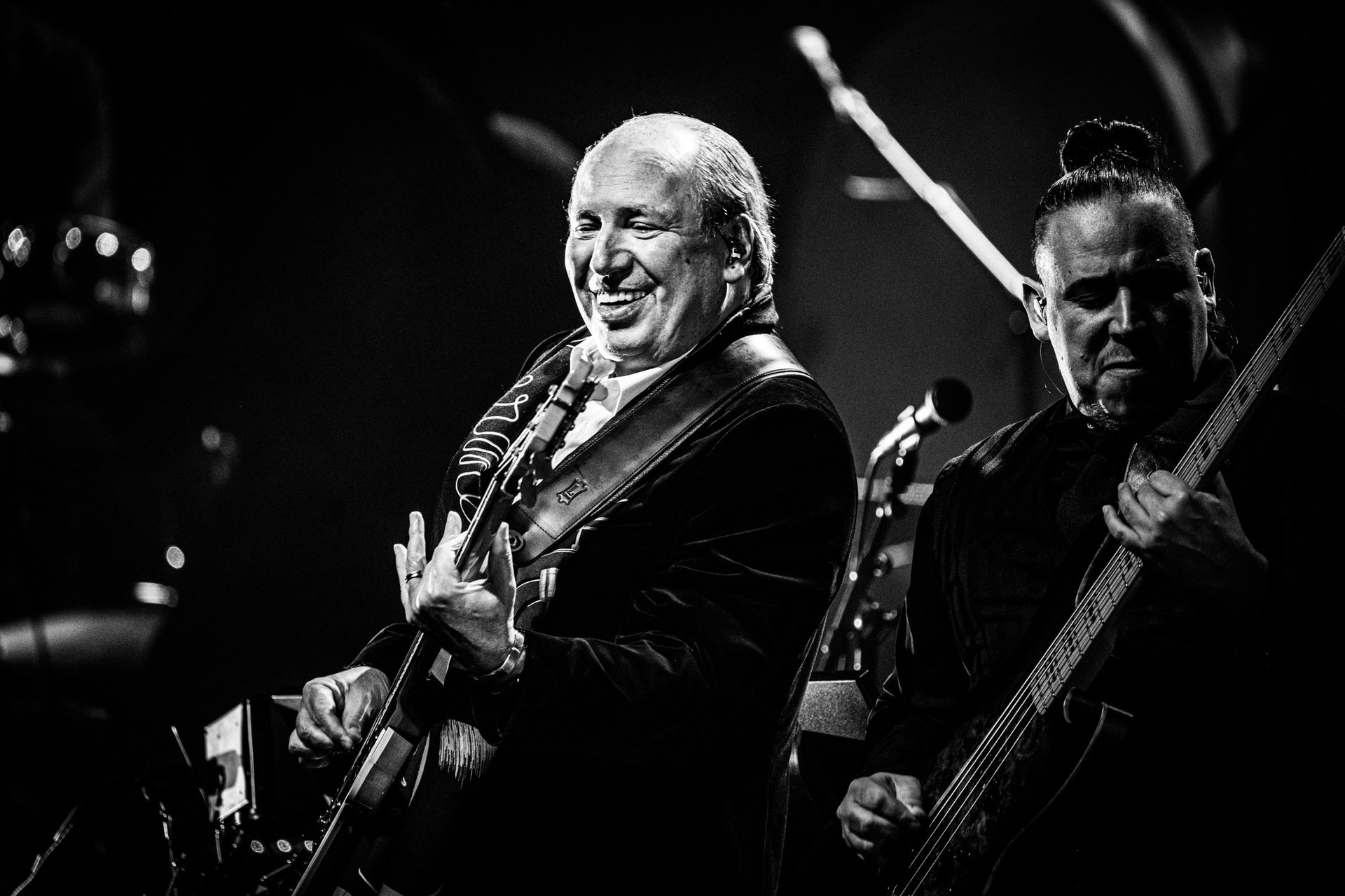
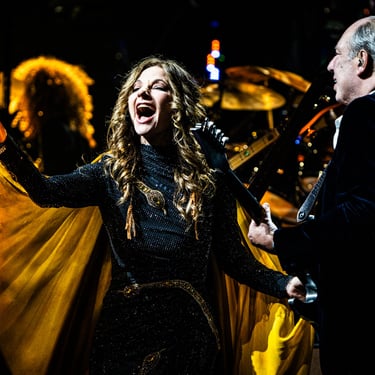
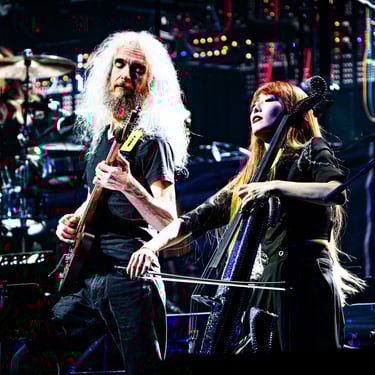
I don’t need to give Hans Zimmer an introduction, right? Just search up his name - even if you think you don’t know him, you do.
Anyways, tonight I got the privilege of hearing this absolute legend in person. Zimmer filled up the arena, with only a couple of empty seats left here and there. Still waiting for the concert was an experience, as the rain soundtrack kept getting louder the closer we got to the start. An hour waiting was surprisingly relaxing - as if I was listening to hundreds of people chatting while it was raining outside.
The concert started exactly at 8 pm and with a bang. The music kept on getting louder and louder, while a medley of intense, power-hungry action movie hits got the energy rising. Slowly, through this song, we were shown more and more of the stage, every piece moving, revealing more and more musicians.
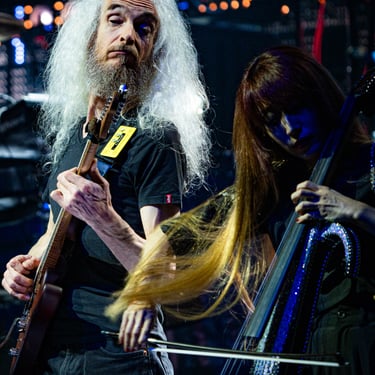
I don’t think it is a surprise if I say that musicality-wise, the concert was incredible. Hans Zimmer is a fantastic composer, and each and every musician on that stage was just astonishing. The whole concert took us through all of his most famous songs, mixing medleys with singular hits. The outcome was very entertaining - and I could envision many of my favorite films just from the music.
Hans Zimmer himself kept on changing the instruments through the night. Sometimes DJing, sometimes playing a guitar, and from time to time just admiring other musicians' work.
I would say that the main theme of the night was admiration. The musical entertainment was completed with Hans’ chatter. He was focusing on introducing all the musicians to us while admiring their talent and hard work. At some points, it almost felt intimate, like we would be listening to two people talking about their relationship and history together. This was very sweet and felt important, as the musicians are the ones who bring his music to life - they deserve all the applause and more.
Additionally, we heard some stories from his life - mainly about his collaborative work with Christopher Nolan (or Chris). It was very fun to imagine them together at a house party, not wanting to chat to anyone else besides each other.
Even though these stories were lovely, I do wish Hans Zimmer had talked a little less. The whole concert lasted for 3 hours and 20 minutes (with a 20-minute break), and it did reach to a point where I just wanted to listen to the music.
Thankfully, the music was incredible. There were many unforgettable performances, but the medley of Circle of Life, Busa, Stampede, and Remember was the most glorious of them all. It is not a surprise that it got such a long-lasting standing ovation from the crowd.
All in all, the night was very beautiful, even though I could have been home an hour early if Hans Zimmer hadn’t been such a yapper.
hans zimmer - royal arena, copenhagen - 10.03.2026
Photos: kasper pasinski
Words: hanna koivunen
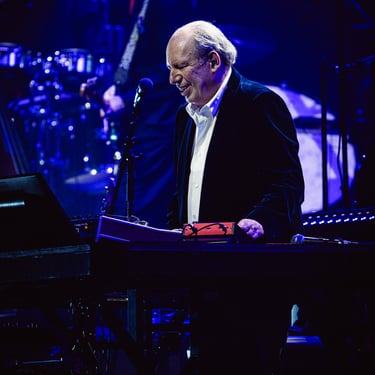
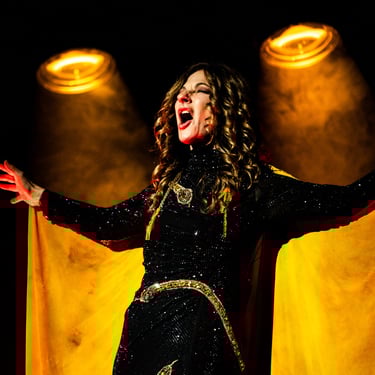
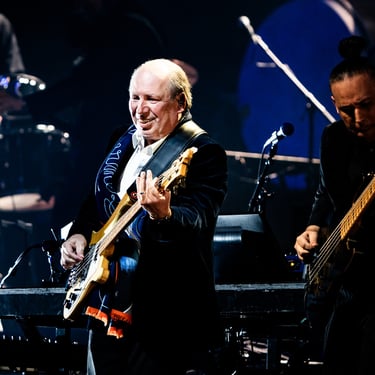
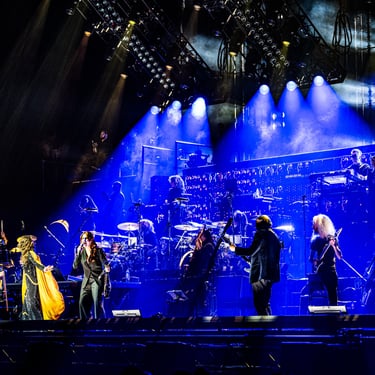
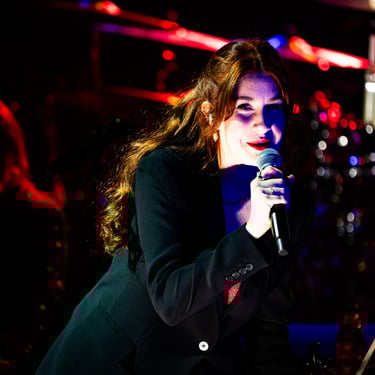
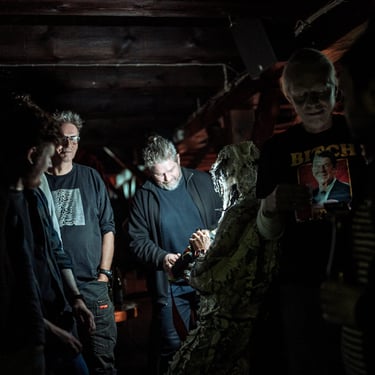
I never thought that I could be mentally transported to a sunny beach in the middle of a snowstorm - but apparently, anything is possible if you just follow a weird moss-man band.
English post-punk band Snapped Ankles embraced the cold and came to Loppen to entertain us all. I hadn’t really listened to the band until knowing about this concert, but after checking their music beforehand, I thought I had an idea of what the evening would be like.
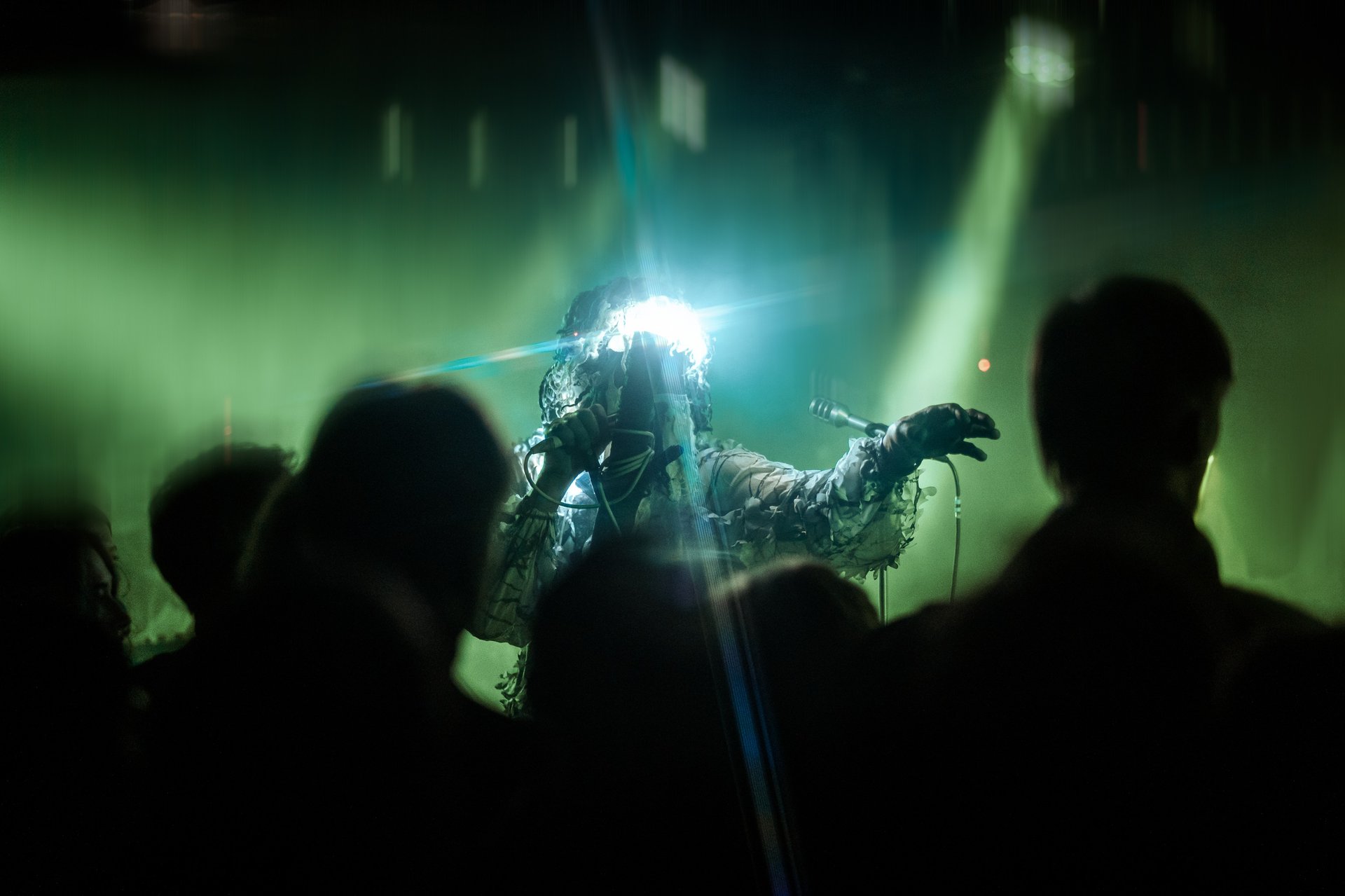
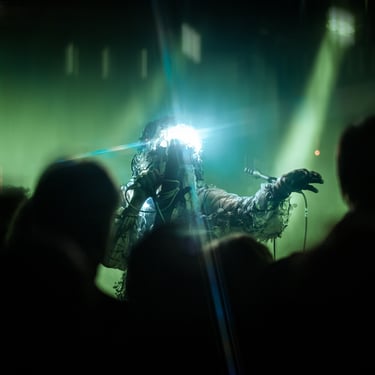
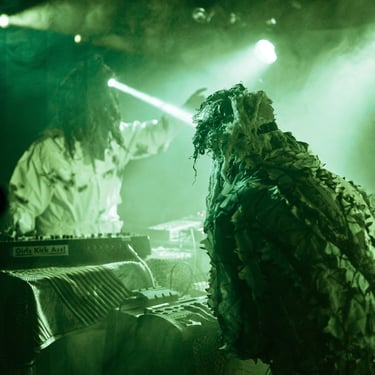
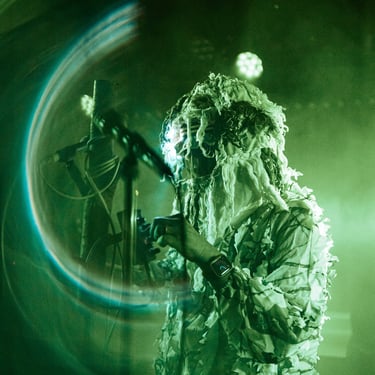
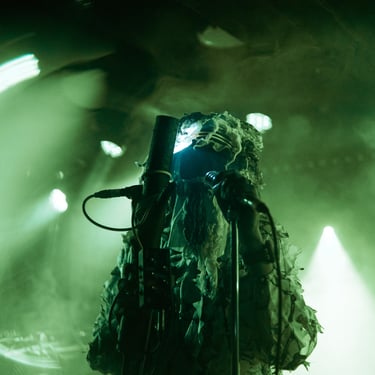
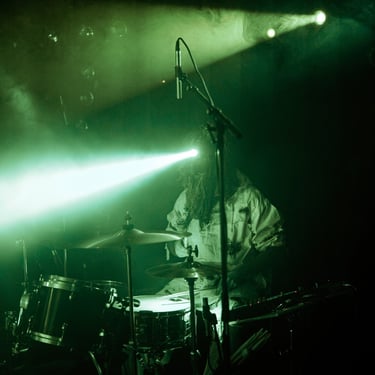
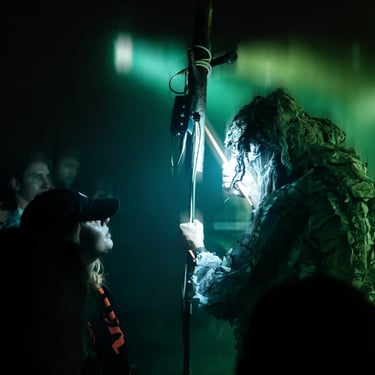
Gosh, was I wrong. I anticipated an electro punk evening, and I was prepared for their moss-looking masks, but the rest of it? Not so much. The band’s energy was popping indeed, but in a completely different way than I was expecting. From the moment Snapped Ankles entered the stage, they showed how the night was going to be - a high-energy forest rave.
Have you ever seen the video of a mushroom playing a keyboard? (Yes, this is a real thing and not some AI-slop.) The night was like the mushroom would have taken the rest of their mates and come to get people dancing. Or maybe like aliens who came to earth to introduce their music to us mere humans. Regardless, the vibe was a bit weird - but in the most entertaining way.
The singing moss-man-alien-mushroom kept on coming down to the crowd, stomping around in the ghillie-suit they were wearing, sometimes even jumping around like a little elf. Obviously, none of this meant that they would stop playing.
If this wasn’t fun enough, at the end of the gig, the band decided that we needed a break from the forest and took us on a geographical journey to a beach. Naturally, this meant us screaming like seagulls and swooshing like waves. As you would do on a Thursday evening.
Snapped Ankles was a very entertaining gig, but I think I might prefer their music recorded. The night was certainly a positive experience, but I think I prefer having my feet a bit closer to the ground.
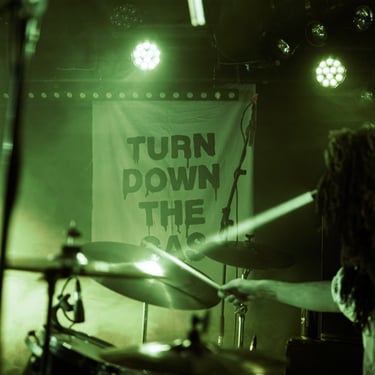
The fungi disco party wasn’t the only fun thing on this Thursday evening. Namely, a Danish punk band, FARMAND, opened the stage for Snapped Ankles, and I am slightly obsessed with them. Their songs were absolutely ridiculous, their energy was completely out there, and they even managed to bring drama on the stage through their performance. I hope to catch them again soon in Copenhagen.
snapped ankles - loppen, copenhagen - 05.02.2026
Photos: laura ioana v
Words: hanna koivunen
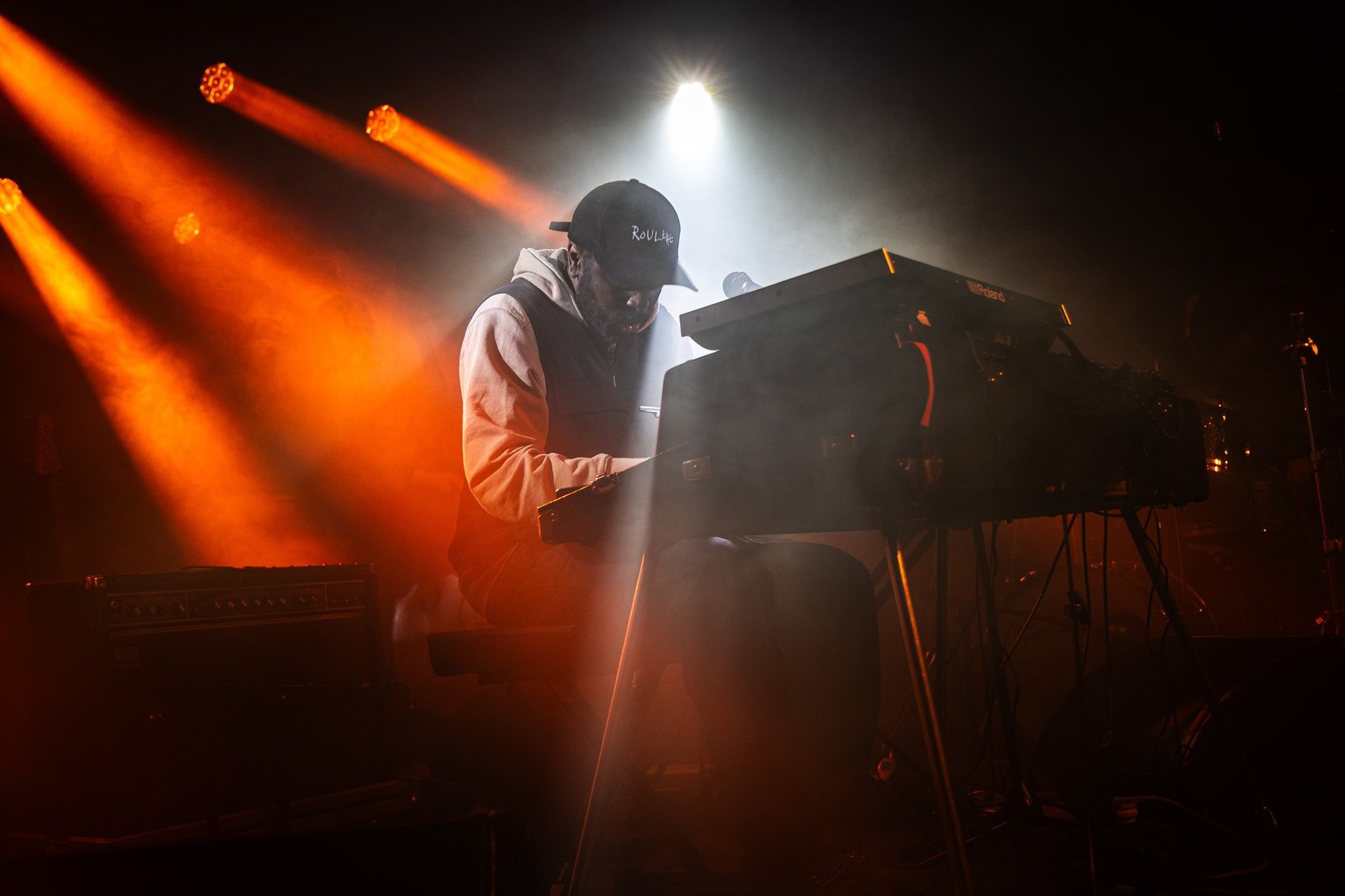
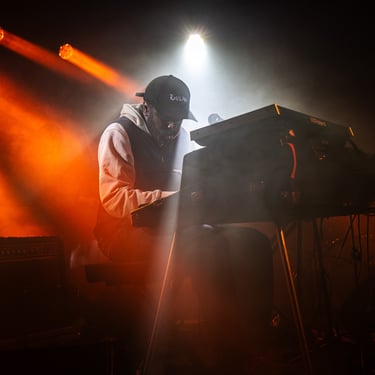
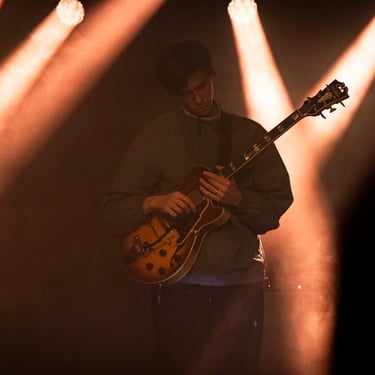
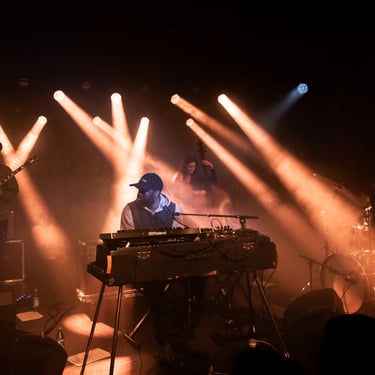
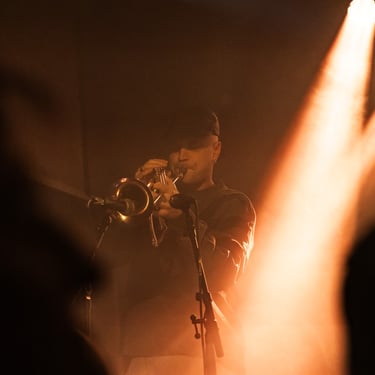
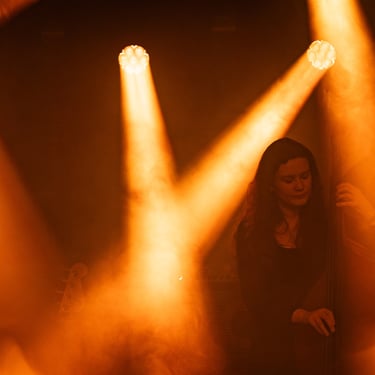
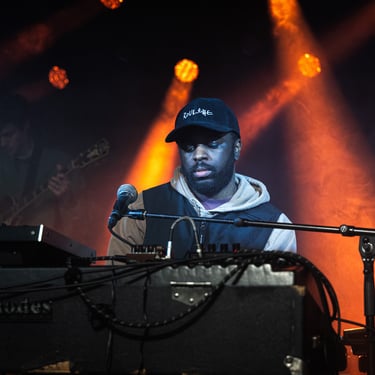
An evening where sound moved slowly, like breath on glass, and the city leaned in to listen. Alfa Mist’s sold-out concert at Lille Vega on February 3rd felt like a quiet marker in the calendar — a gentle, unofficial opening of Copenhagen’s Winter Jazz Festival. Not announced as such, not framed with ceremony, yet unmistakable in spirit. There was a shared sense in the room that something had begun. A season. A mood. A collective turning inward, guided by music that thrives on nuance rather than noise.
The night opened with Clothing Club, a trio from Jutland that set the tone with warmth and generosity. As a fresh addition to the Danish jazz scene, their instrumental blend of jazz, house, and hip-hop felt both grounded and buoyant, built around a simple yet effective setup of drums, bass, and synths. Their music carried an unmistakable sense of uplift — grooves designed to make bodies sway and minds lighten. Even in its darker shades, the sound radiated optimism, leaning into unity, joy, and a quiet belief in music as a shared source of light. It was an inviting start, gently preparing the room for an evening shaped by mood and connection.
From the moment Alfa Mist and his band stepped on stage, the atmosphere settled into something calm and attentive. His presence is unassuming, almost modest, yet it carries a confidence rooted in deep musical intention. Nothing was rushed. Nothing was overstated. The music unfolded patiently, inviting the audience to adjust their pace, to let go of expectations of sharp peaks or obvious climaxes. Instead, the reward came through immersion — through staying present as textures slowly evolved.
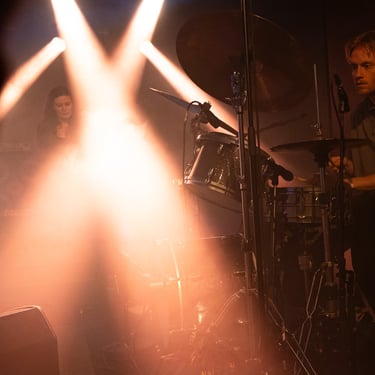
The stage layout itself subtly reinforced this shift in perspective. Rather than anchoring the rhythm from the back, the drums were placed to the side, changing the usual visual and emotional hierarchy. This simple choice mirrored the music’s ethos: rhythm as an equal voice rather than a commanding force. It allowed the pulse to move laterally through the soundscape, felt as much as heard, contributing to the sense of balance and openness that defined the evening.
The performance leaned into mood as its primary language. Rather than treating songs as fixed entities, the set felt fluid, shaped by feeling rather than structure. Melodies appeared and dissolved, rhythms surfaced and receded, and themes returned subtly transformed. There was a cinematic quality throughout, as if each piece was a scene rather than a statement. It was music that trusted silence as much as sound, and space as much as movement.
Sonically, the evening felt soft-edged and painterly. Sounds blended into one another with deliberate gentleness, creating a world where borders between instruments were intentionally blurred. Warm keys, brass tones, guitar lines, and rhythmic layers merged into a cohesive whole, making it less about individual performances and more about collective expression. At times, it felt like listening through water — slightly distorted, deeply enveloping, and emotionally magnified.
This blending gave the music a dreamlike quality, where attention drifted not between instruments, but across emotional textures. The sound didn’t demand analysis; it encouraged feeling. Lush reverbs and layered tones created an environment rather than a foreground, pulling the audience inside rather than placing the music in front of them. It was immersive without being overwhelming, detailed without being busy.
Rhythm, though understated, remained essential. Beneath the softness, there was drive — moments where energy surged forward, adding urgency and momentum. These shifts prevented the music from settling into comfort alone, introducing tension that kept the audience alert and emotionally engaged. The contrast between floating atmospheres and grounded pulse gave the set its quiet power.
What stood out most was the sense of unity on stage. The band moved as one organism, responding intuitively to shifts in tone and tempo. Improvisation felt natural rather than performative, woven seamlessly into the fabric of the music. There was an ease in their interaction that suggested deep trust — in each other and in the space they were creating together.
Alfa Mist himself came across as deeply grounded and grateful. There was no excess of commentary, no attempt to frame the experience beyond the act of sharing it. His appreciation for the room, his fellow musicians, and the audience felt genuine, shaping the tone of the night into something intimate and respectful.
As the set drew toward its close, the sense of narrative became clearer — not a story with a defined ending, but one that gently paused. This reinforced the feeling that the night marked a beginning rather than a conclusion. In that sense, the concert fit perfectly as an unofficial opening of Copenhagen’s Winter Jazz Festival, easing the city into a season of listening.
Leaving Lille Vega, the music lingered quietly, settling rather than fading. Alfa Mist did not offer spectacle; he offered presence. And in doing so, he gave Copenhagen a soft, atmospheric starting point — a first brushstroke of winter jazz, understated, immersive, and full of promise.
ALFA MIST - VEGA, copenhagen - 03.02.2026
Photos: THOMAS VRAABY
Words: KAROLINA CUROVA